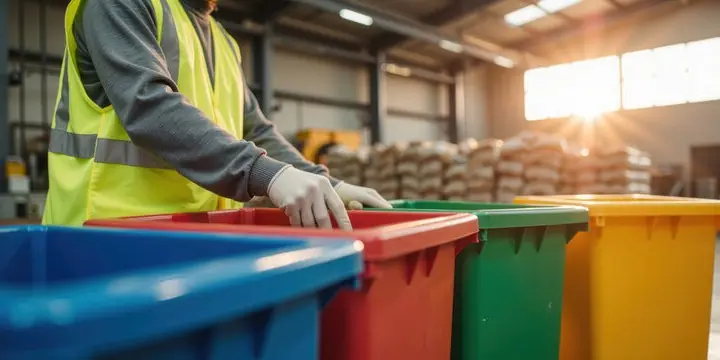
A worker in a high-visibility vest and gloves beside a row of blue, red, green, and yellow sorting bins in a warehouse.
04

Recovery Systems

Some materials can't be reused. We built pathways so they still stay out of landfill.

Reuse and refill handle most of what moves through Gateway. Recovery is the last stop for what's left: food scraps, electronics, and batteries.

Recovery pathways

Three streams, each with its own way out of the building.

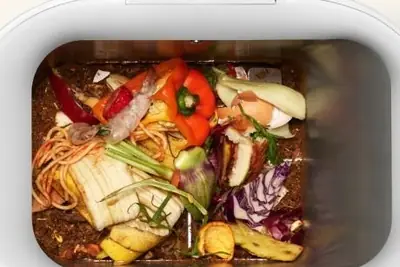
Fresh food scraps inside an open Mill food recycler.

Compost

Compost bins at the waste stations, plus the Mill in the 1st floor social kitchen.

What goes in

Takes: food scraps, meat and bones, dairy, coffee grounds and filters, tea bags, napkins, and approved compostable serviceware.

Keeps food out of landfill and cuts methane.
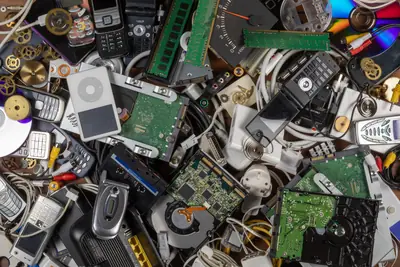
A pile of old electronics: phones, circuit boards, cables, and computer parts.

E-waste

Collect old electronics in your department. When the collection is full, email the Facilities Manager to arrange a pickup.

What goes in

Takes: cables, chargers, electronics, and old devices.

A certified recycler keeps metals and hazardous materials out of landfill.

Email the Facilities Manager for a pickup
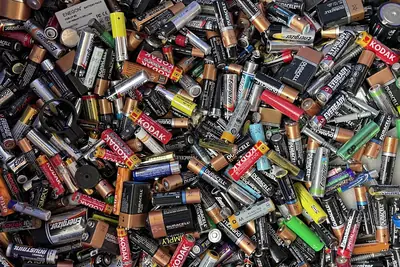
A heap of used household batteries in many sizes and brands.

Batteries

Bottom shelf of the ReUse Station, in the 2nd floor southwest social kitchen.

What goes in

Takes: AA, AAA, 9V, button cell, and rechargeable batteries.

A certified recycler recovers the metals and keeps them out of groundwater.

Meet the Mill

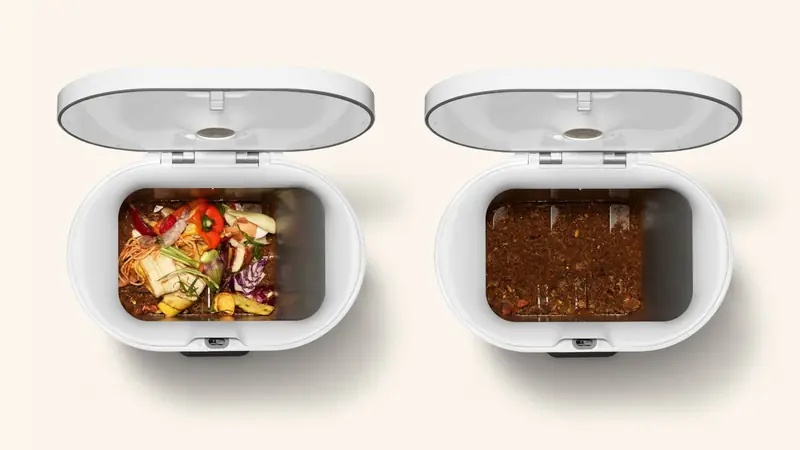
Two open Mill food recyclers seen from above: one holds fresh food scraps, the other the dry, brown grounds they become.

Most pathways are a labeled bin. The Mill is different: it's a food recycler in the 1st floor social kitchen that dries and grinds scraps overnight into nutrient-rich grounds.

~80%

less volume than the scraps that go in

Want one for your own social kitchen? Departments can buy a Mill directly. Email Sam Bunke at sbunke@berkeley.edu to learn more.

Used the Mill? Tell us how it's working.

Share Mill feedback (Google Form)

We're also working with UCB Vermicomposting on an ongoing project to create our own circular system for food waste on campus.

Behind the scenes and what you can do